The Botox Rebrand: Why Being Famous isn't Enough
Dec 2, 2025
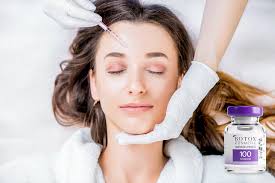
Botox Cosmetic Repositioning: Famous But Not Relatable
Few brands have lived in that weird space between medical procedure and cultural moment the way Botox Cosmetic has.
For over two decades, it owned the category completely, not just in sales, but in pop culture. Botox wasn't just a product; it was a phenomenon. It created an entire social ritual: the "Botox party," where women gathered in living rooms and hotel suites, champagne in hand, to get injections in an atmosphere that blurred medical appointment with girls' night out. It became everyday language. "Getting Botox" entered our vocabulary as both confession and punchline. It was name-dropped in Sex and the City, joked about in The Real Housewives, and whispered about (then eventually admitted to) by A-list celebrities from Hollywood to fashion.
The brand did something rare: it became both the product category and the culture around it.
But being everywhere isn't the same as being loved. By the mid-2010s, the brand had stalled, weighed down by its own image. When people talked about it, they mentioned 'frozen faces,' wealthy lifestyles, and celebrities, creating a look that felt increasingly out of touch with the emerging 'better version of me' mindset. And there was still this heavy stigma around admitting you used it.
While the world and beauty standards changed, the brand stayed stuck in its past, trapped by a marketing playbook that put celebrities front and center instead of the real women actually using it. The brand felt distant and unreachable just as a new competitor was entering the market.
This is when I came on board as the brand lead.
The Cultural Tension
Beauty was changing, from trying to look like someone else to being comfortable with who you already are. People were tired of cookie-cutter perfection and wanted to define beauty on their own terms. The rise of influencers, more honest talks about aging, and the blending of medical treatments with self-care created a strange problem: Botox was everywhere, but it didn't fit into this new wellness world. And it was trapped in a celebrity echo chamber.
For years, our marketing leaned heavily on celebrity endorsement: A-listers, red carpets, sky-high aspiration. This created two problems:
Aspirational distance: "This is for people who live in a different world than I do"
Moral distance: "This is vanity for the vain"
The brand had lost touch with the real lives and changing self-image of the women actually using it. It was everywhere in celebrity culture, nowhere in everyday life.
That's where the tension became clear to me: Botox was iconic, but culturally out of step. It was famous, but not relatable.
The Insight: Women Weren't Chasing Perfection. They Wanted to look as good as they felt
Our research showed something basic but powerful: women didn't want to "look younger." They wanted to look like themselves, just more rested, more intentional. They wanted the face in the mirror to match how they felt inside.
But there was a second, deeper finding: they didn't see themselves in the brand.
When every ad showed celebrities, the message was obvious: This isn't for you. This is for them.
And here's the human truth underneath it all: Women weren't ashamed of wanting to look good. They were ashamed of admitting they did something about it, because Botox had become code for vanity, excess, and trying too hard to be someone you're not.
I realized the brand's job wasn't to promise transformation. It was to break that false choice. To show that taking care of how you look isn't about fixing what's wrong. It's about feeling at home in your own face. And to prove that this choice belongs to everyone, not just celebrities with stylists and surgeons on speed dial.
Reframing the Story: From Red Carpet to Real Life
I built the strategic shift on three moves:
1. Normalize: Show real women, real results
Out went the celebrities. In came actual patients: teachers, business owners, mothers showing unretouched before-and-afters. No filters, no perfect lighting, no glossy unreality. Just honest results on real faces living real lives.
2. Humanize: Replace aspiration with recognition
The tone shifted from polished and distant to warm and relatable. Instead of being talked at by experts or celebrities, women saw themselves reflected back. The message became: "This is what it actually looks like. This is what it actually feels like."
3. Democratize: Open the conversation, not just the price
We tore down the celebrity fortress. Botox wasn't a red carpet secret anymore. We positioned it as self-care, not status symbol. The truth is, pricing stayed premium. But the perception shifted from "exclusive luxury for celebrities" to "a choice real people make and talk about openly." The shift wasn't about making it cheap. It was about making it feel accessible, normal, and socially okay to choose.
When you see someone like you choosing it, it stops being about vanity and starts being about agency. Botox went from "fixing flaws to look like them" to "choosing how you want to show up." From something you whispered about to something you could simply decide to do, without shame, without apology, without needing to be famous first.
Visual & Verbal Transformation
I made a deliberate choice to show what Botox actually looks like on real people. Unretouched, unfiltered, and honestly.
The visual shift:
We replaced celebrities in evening gowns with real women in natural light. Not models. Not influencers. Actual patients showing their actual results, wrinkles softened but not erased, expressions intact. Every before-and-after was unretouched. No airbrushing, no perfect lighting, no aspirational distance. Just honest outcomes on real faces.
When women see retouched perfection, they think "that's not possible for me." When they see unretouched reality, they think "that could be me."
The verbal shift:
The language moved from clinical expertise and celebrity endorsement to first-person honesty. Instead of doctors explaining or celebrities promoting, we let real women show their own results and choices. The tone became warmer, more personal, like hearing from a friend who tried it, not an expert lecturing you about it.
The brand stopped performing perfection and started reflecting reality.
The Impact
The repositioning worked, both culturally and commercially:
The stigma broke. Women started talking about Botox openly. What was once whispered about became something people mentioned casually, posted about on social media, and recommended to friends. The shame disappeared.
The message of choice brought in more users. Botox felt like an option available to many, rather than a red carpet ritual. The brand moved from celebrity territory into mainstream self-care.
The perception shifted. Botox stopped being seen as "trying to hide who you are" and became "taking care of who you are." The brand's scores for "It is a brand for people like me," once stuck in single digits, shot through the roof.
The business grew. Market share increased. Category leadership strengthened. But more importantly, the brand became culturally relevant again, not just dominant, but loved.
The Lesson for Brand Strategists
When a brand becomes culturally stuck, the work isn't to talk louder, it's to change what it means and who gets to use it. Celebrity endorsement creates aspiration, but aspiration without access creates distance. The most powerful brand move isn't always reaching higher. sometimes it's opening the door.
Diksha Idnani
Founder, Good Brand Lab